In September 2016, the FDA banned 19 active ingredients — including triclosan and triclocarban — from over-the-counter antibacterial hand soap, body wash, and bar soap sold with a claim of killing germs. The reason wasn’t that the ingredients were necessarily dangerous at the doses used; it was that manufacturers couldn’t produce evidence the ingredients worked any better than plain soap and water at preventing illness, which FDA requires before it will let a product keep making that claim.
What the rule actually banned
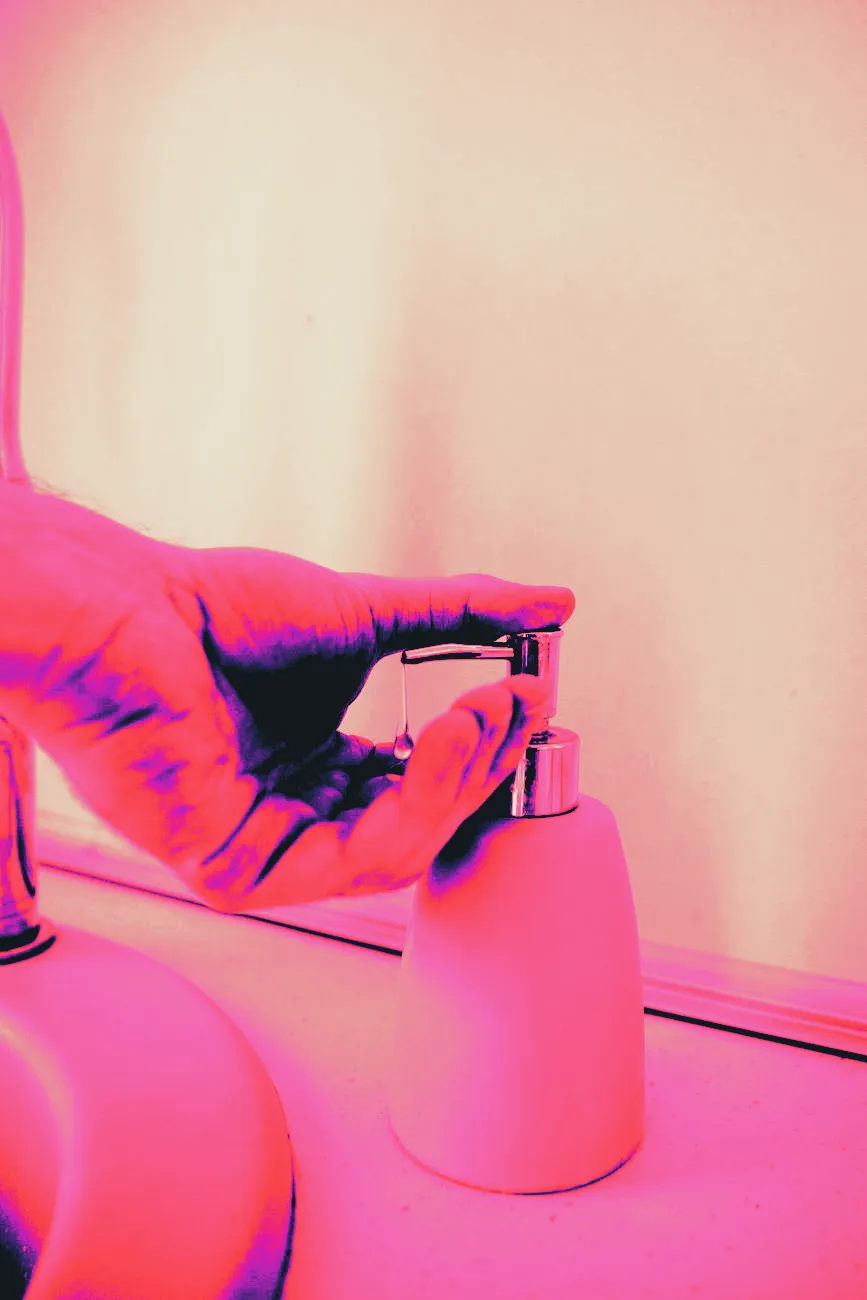
FDA’s 2016 rule covers “OTC consumer antiseptic wash products” — the category that includes liquid, foam, and gel hand soaps, bar soaps, and body washes intended to be used with water and marketed as killing bacteria. Nineteen active ingredients, including triclosan and triclocarban, could no longer be used in that category as of the rule’s compliance deadline in September 2017. The rule didn’t touch hand sanitizers, antibacterial wipes, or antibacterial products used in hospitals and other healthcare settings — those are regulated under different FDA rules entirely.
Why FDA drew the line here specifically
FDA’s own reasoning is narrower than “these ingredients are unsafe.” The agency’s standard for a nonprescription antiseptic product is that a manufacturer has to show the active ingredient is both safe for long-term daily use and more effective than plain soap and water at preventing the spread of illness. For the 19 banned ingredients, manufacturers didn’t produce that evidence when FDA asked for it. As the agency put it plainly in its own consumer guidance: there currently isn’t sufficient evidence that OTC antibacterial soaps are better at preventing illness than washing with plain soap and water. Three ingredients — benzalkonium chloride, benzethonium chloride, and chloroxylenol — were given more time for manufacturers to submit data and remain permitted in wash products today.
What this means if a bottle still says “antibacterial”
A hand soap sold today that claims to be antibacterial either uses one of the three ingredients FDA didn’t ban, or falls outside the specific OTC consumer antiseptic wash category the 2016 rule covers. What it can’t legally contain, for handwashing purposes, is triclosan or triclocarban — those have been off the market for that use since the 2017 compliance deadline. The claim on the bottle is a marketing distinction more than a functional one at this point: mechanically, soap works by lifting oil, dirt, and microbes off skin through surfactant action and the physical friction of washing, which plain soap does exactly as well as its antibacterial version, per FDA’s own finding.
Frequently asked questions
- Is antibacterial hand soap illegal now?
- No. The 2016 FDA rule banned 19 specific active ingredients, including triclosan and triclocarban, from OTC consumer antiseptic wash products. Three ingredients — benzalkonium chloride, benzethonium chloride, and chloroxylenol — were allowed to stay on the market while manufacturers submitted more safety and effectiveness data.
- Does the rule apply to hand sanitizer too?
- No. FDA's rule specifically covers wash products used with water — liquid, foam, and gel hand soaps, bar soaps, and body washes. Hand sanitizers and antibacterial wipes are regulated separately and weren't part of this rule.
- If a soap bottle still says "antibacterial," what does that mean today?
- It means the product either uses one of the three ingredients still permitted, or it's marketed outside the FDA's OTC consumer antiseptic wash category (some dish and surface products, for instance). It doesn't mean it contains triclosan — that's been off the market for handwashing products since 2017.