Get the most out of the household products you rebuy.
Know what you're rebuying
The Runlow publishes reviews, buying guides, and research on the household products you keep buying.
We read the ingredient disclosures, check the certifications against the issuing bodies, and turn all of it into a clear recommendation for your situation.
Three diapers sold for sensitive skin, compared on what each brand's page discloses: a full material list, a free-of list, a textile label and no skin test.
Three baby detergents listed in the National Eczema Association's directory, compared on what each brand discloses about ingredients, fragrance and machines.
Three fragrance-free baby wipes compared on what each brand's page lists, from three ingredients to nine, and which carries a seal from an eczema group.
FDA's cosmetic labeling rule sets the order of a baby wipe's ingredient list, lets fragrance be one word, and says hypoallergenic has no federal definition.
Diaper sizes are set by weight, and the ranges overlap on purpose. Here is how one manufacturer's own chart reads, and the fit signs it says mean size up.
Four zinc oxide diaper creams compared on strength, fragrance, what each brand's page says its tier is for, and certifications claimed. Our pick and the gaps.
Three CR2032 coin batteries compared on what each brand's page claims: bitter coating, child-resistant packaging, storage life and the devices each is for.
CR2032, CR2025 and CR2016 cells share a 20 mm width and 3-volt chemistry and differ in thickness and capacity, per Energizer. A CR2 is another size entirely.
Reese's Law gave button and coin batteries a federal rule. What 16 CFR Part 1263 defines, what it requires of products and packaging, and what it leaves out.
EPA defines cleaning, sanitizing, and disinfecting as three separate things, and registers products for only two of them. What each word on a bottle means.
The National Wood Flooring Association says steam mops and wet mops damage a wood floor's finish over time. What it and one floor-care maker say to use instead.
EPA says a disinfectant works only while the surface stays visibly wet for its label's contact time. Where the number is, and what to do if it dries early.
Three all-purpose cleaners compared on what each brand's page says about use around pets. One label states it, one FAQ answers it, one only cautions. Our pick.
Four all-purpose cleaners compared on what each brand says it is safe on, what it discloses, and what it certifies. One names the surfaces to keep it off.
Safer Choice means EPA screened every ingredient against published hazard criteria and confirmed the product cleans about as well as a conventional one.
Five rinse aids compared on what each brand's own page says about hard water, from a plain use statement to a named mineral binder. Our pick and the gaps.
Enzymes and soil sensors both need something to actually work on; pre-rinsing a dish fully clean can trick the cycle into running shorter and skipping steps.
Fragrance-free and unscented are different claims, and only some brands make either one. We compared six dishwasher detergents on what each actually discloses.
Three dishwasher detergents state septic guidance on their own product pages. We compared what each discloses about its formula and where the claim comes from.
Pods, powder, and gel differ mainly in dose accuracy and dissolving reliability, not cleaning chemistry. All three use the same surfactants and enzymes.
A 2023 lab study found rinse aid, not detergent, damaged gut lining cells at professional dishwasher concentrations. What it showed and what it did not.
Brita and PUR pitcher filters compared side by side on what each brand's page states: filter life, contaminants claimed, certifier, media and published figures.
A basic pitcher filter improves taste and smell by removing chlorine, not lead or dissolved minerals, which need a certification the packaging should state.
Which pitcher or faucet filter removes chlorine taste and smell? Five compared on what each brand publishes, from reduction figures to a named certifier.
Manufacturers position MERV 11 and 13 pleated filters for allergies. We compared what four 1-inch filters claim to capture and how often each says to change it.
Three 1-inch filters state pet guidance on their own pages. We compared what each maker claims to capture and how much sooner it says to change the filter.
MERV measures how small a particle a filter traps, from 1 to 20; a higher number isn't automatically better if your system wasn't built to pull air through it.
Three laundry detergents state sensitive-skin guidance on their own product pages. We compared what each brand claims, what it tested, and what it leaves out.
Three washing machine cleaners compared on what each brand's page says about odor, where it hides and what the cleaner does about it. Our pick and the gaps.
Unscented means fragrance was added to mask odor; fragrance-free means none was added at all. Dermatologists treat that as the difference that matters.
An HE washer uses a fraction of the water a standard one does. We compared five laundry detergents' own HE claims, ingredient lists, and certifications.
A cold water formula relies on enzymes and surfactants engineered to stay active at low temperatures, so the wash works without heat doing part of the job.
Three 100% recycled paper towels compared on the post-consumer share each brand states, from 80 percent to none given, plus sheets, ply and what's left out.
Reynolds says its foil is recyclable but few recycling programs take it. Where one does, the foil has to be clean and balled up at least 2 inches across.
The FTC's rule on compostable claims, what the BPI certification mark adds, and why a certified plate usually means a commercial facility, not your backyard.
Four freezer bags from Hefty and Glad compared on what each page says about its seal, its thickness and freezer burn, with FDA's own definition of the problem.
FDA says freezer burn is a quality problem caused by air reaching food, not a safety one. What a freezer bag claims that a storage bag doesn't, per the brand.
Three whitening toothpastes with fluoride compared on how each says it whitens, peroxide or surface stain removal, and what each brand discloses and claims.
Three sensitive toothpastes compared on the ingredient each names for sensitivity, whether it has fluoride, what each brand discloses and what it claims.
The FDA banned triclosan and 18 other ingredients from antibacterial soap in 2016 because makers could not show it worked better than plain soap and water.
FDA regulates tampons as medical devices and reviews each one before sale, checking materials, absorbency and effects on bacteria. What its page says, quoted.
FDA's rule says a product is soap only if fat-and-lye salts do all the cleaning and it is sold only as soap. Most bars fail that test. What the wrapper means.
Greenies and Dentastix compared on what each brand's own page states: the VOHC list, ingredients, calories per treat, weight ranges and the dental claim.
Four dental chews for dogs under 25 pounds, compared on the weight range each page states, calories per treat, what each brand publishes, and the VOHC list.
What the FTC's rule requires for an unqualified Made in the USA claim, what FDA found in its jerky treat investigation, and what a treat label can leave out.
The VOHC seal on a dog chew means the maker's trials met the council's standard: two trials and a 20 percent cut in plaque or tartar. What it doesn't say.
EPA says a flea product is its own if it stays on the pet's skin and FDA's if it enters the blood, and that the line no longer fits. What each agency reviews.
Pet food ingredients list by weight before cooking, which can push a low-weight meat above water-heavy items; the guaranteed analysis panel tells you more.
EPA says plastic bags, wraps and films are recyclable but can't go in a household recycling bin. Stores often take them, and EPA says to cut zippers off first.
Glad and Hefty trash bags compared side by side on what each brand's page states: size, closure, odor control, material and thickness. Which fits which job.
The best heavy-duty trash bags in large and contractor sizes, 33 to 42 gallons. Only one brand page gives the bag's thickness. The rest describe it in words.
How thick is a garbage bag? A mil is a thousandth of an inch. Contractor bags state the figure, while most kitchen bags describe strength in words instead.
Thirteen gallons is a nominal size, not a guarantee of fit. We compared four tall kitchen bags on disclosed material, recycled content, and count per box.
Which trash bags control odor best? Glad claims four days of odor control, and Hefty names an Arm & Hammer neutralizer. What each brand says, scented or not.












 Diapers
 Baby Detergent
 Baby Wipes
 Baby Wipes
 Diapers
 Diaper Cream
 Batteries
 Batteries
 Batteries
 All-Purpose Cleaner
 Floor Cleaner
 Disinfectants
 All-Purpose Cleaner
 All-Purpose Cleaner
 All-Purpose Cleaner
 Rinse Aid
 Dishwasher Detergent
 Dishwasher Detergent
 Dishwasher Detergent
 Dishwasher Detergent
 Rinse Aid
 Water Pitcher & Faucet Filters
 Water Pitcher & Faucet Filters
 Water Pitcher & Faucet Filters
 HVAC Filters
 HVAC Filters
 HVAC Filters
 Laundry Detergent
 Washing Machine Cleaners
 Laundry Detergent
 Laundry Detergent
 Laundry Detergent
 Laundry Detergent
 Paper Towels
 Aluminum Foil
 Disposable Plates & Cutlery
 Food Storage Bags
 Toilet Paper
 Food Storage Bags
 Toothpaste
 Toothpaste
 Toothpaste
 Hand Soap
 Period Care
 Bar Soap
 Dental Chews
 Dental Chews
 Pet Treats
 Dental Chews
 Flea & Tick
 Dog Food
 Recycling Bags
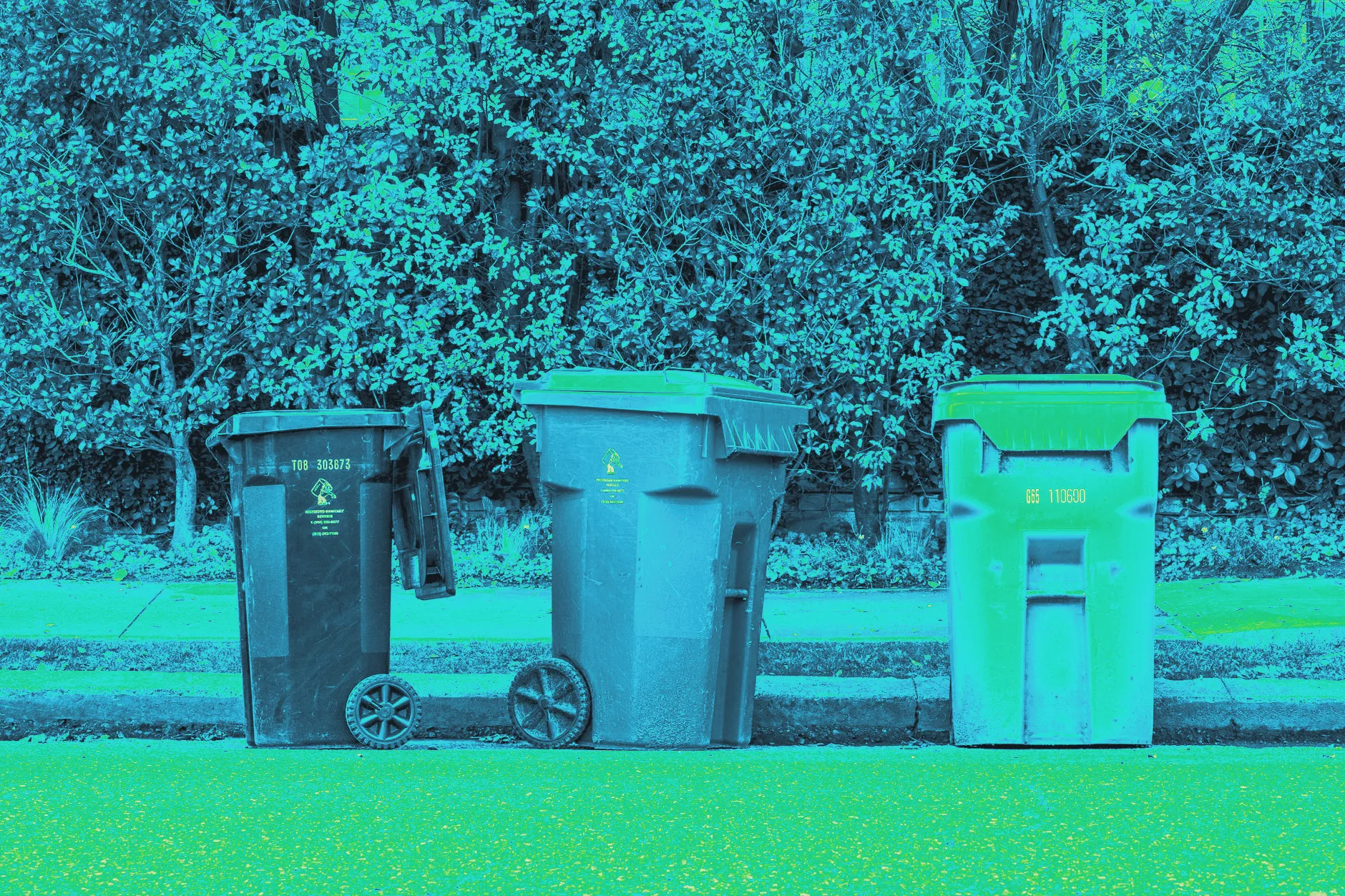 Trash Bags
 Trash Bags
 Trash Bags
 Trash Bags
 Trash Bags