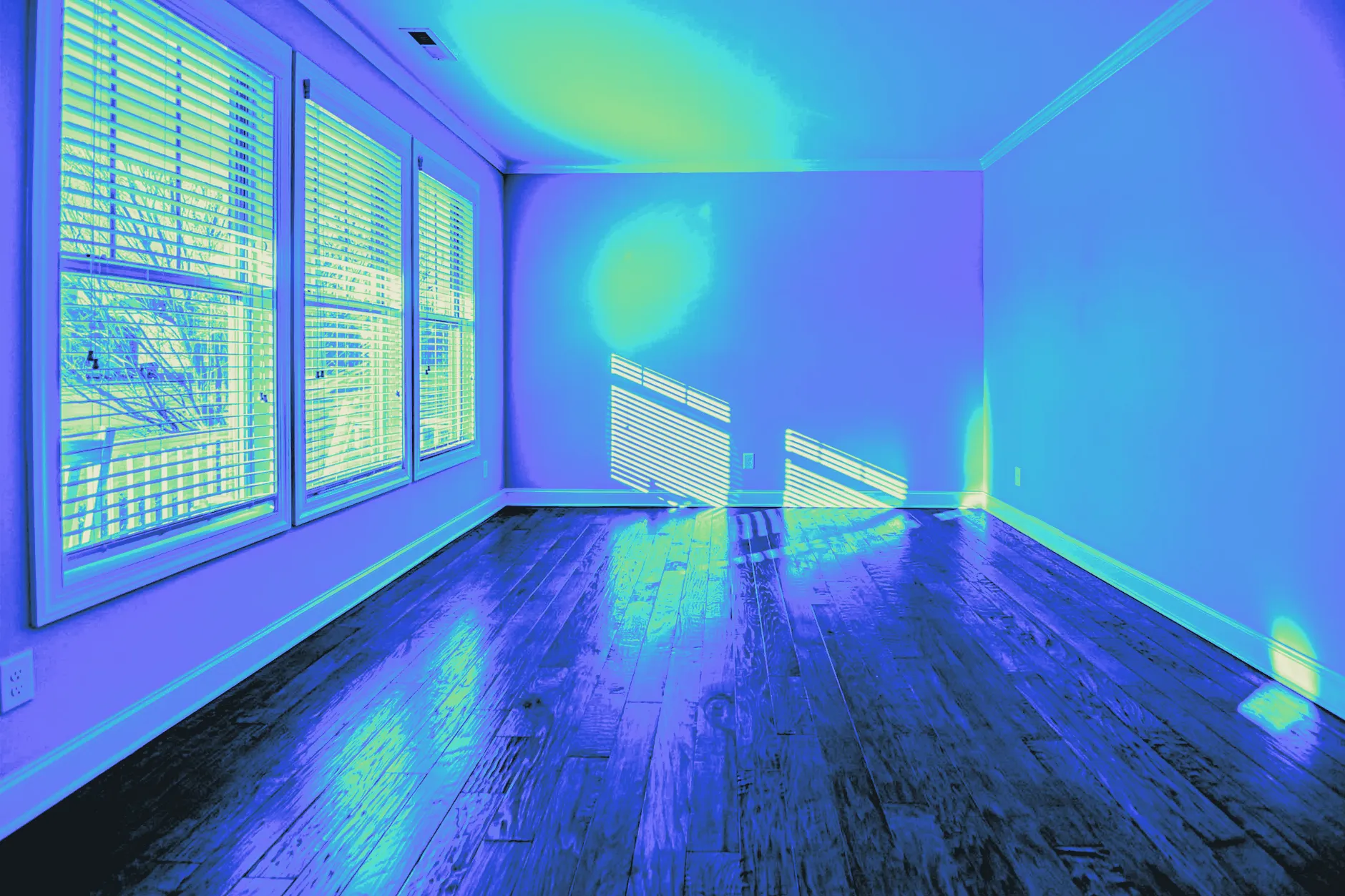
Don’t use a steam mop on a hardwood floor, according to the National Wood Flooring Association. Its maintenance page says, “Don’t use wet mops or steam mops, which will damage the finish and the wood over long periods of time.” Its routine instead is sweeping or dust mopping, a dry or slightly damp cloth for spills, and a cleaner made for the floor’s finish. Bona, a company that sells wood floor cleaners and mops, gives the reason on its own page: most wood floors “aren’t completely sealed” after years of wear, so steam’s heat and water “will likely penetrate the surface.”
Can you use a steam mop on hardwood floors?
The trade association for the industry says no. The National Wood Flooring Association’s consumer site has a maintenance page that covers it in one line: “Don’t use wet mops or steam mops, which will damage the finish and the wood over long periods of time.”
Bona, a floor-care company founded in 1919 by its own account, says the same in more detail on its page Can You Steam Clean Hardwood Floors? “Experts agree that homeowners should not steam clean hardwood floors.” Bona sells mops and cleaners for these floors, which is worth knowing when reading its advice. Its reasoning lines up with the association’s.
Why does steam damage a wood floor?
Moisture and heat, by Bona’s account. “Steam mops can easily damage wood floors due to excess moisture and high heat.” Its page addresses the claim some steam mop makers make. It says steam is safe for wood “only if the wood is perfectly sealed,” and that “due to natural wear over time, most wood floors aren’t completely sealed.” Once steam gets past the finish, Bona lists “swelling, warping, mildew, and expensive repairs” as what can follow.
The same page warns off steam on more than wood. It names laminate, which “will bubble and swell,” waxed or oiled floors, stone, cork and vinyl plank, where it says “high heat will cause warping and can even destroy the adhesive below.” Bona says steam is safe for “sealed tiles floors and fabric cleaning.”
How should you clean a hardwood floor instead?
Dry first, damp only when needed. The association’s routine is “sweeping, dust mopping, or vacuuming using the bare floor setting to remove dust and dirt,” and cleaning spills immediately “with a dry or slightly damp cloth.” For a cleaner, it says “it’s best to use a cleaner made specifically for the finish on the floor,” which your flooring installer can recommend.
Bona’s advice is a low-moisture mop and a pH-neutral cleaner. It calls “a low-moisture, quick-drying cleaning method, like a spray mop or microfiber mop, the best way to clean hardwood floors,” with “a pH neutral floor cleaner that’s specifically formulated for wood floors.” Its hardwood cleaning page adds deeper cleaning every two weeks “during colder months when more grit or even road salt can be tracked indoors.”
What about a floor that already looks dull?
Both sources point to the finish, which a cleaner doesn’t replace. The association says that “when your wood floors start to look a little dull, they can be renewed through recoating,” a new coat of finish. Bona’s hardwood page gives polishing intervals of every two to six months for high traffic and six to twelve for low, and says a floor can typically be refinished every 7 to 10 years.
Where this comes from
Every statement above is quoted from three pages, read on October 18, 2026: the National Wood Flooring Association’s maintenance page on woodfloors.org, and Bona’s pages on steam cleaning and on cleaning hardwood floors. Bona sells floor-care products, and this post names none of them as a pick. Runlow has not tested any mop or cleaner. Your floor’s own manufacturer or installer has the final word on its finish.
Frequently asked questions
- Can you use a steam mop on hardwood floors?
- The National Wood Flooring Association says no. Its maintenance page says, "Don't use wet mops or steam mops, which will damage the finish and the wood over long periods of time." Bona, which makes wood floor cleaners and mops, says the same on its own page.
- How should you clean a hardwood floor?
- The National Wood Flooring Association's routine is sweeping, dust mopping or vacuuming on the bare floor setting, cleaning spills right away "with a dry or slightly damp cloth," and using "a cleaner made specifically for the finish on the floor."
- Why does steam damage wood floors?
- Bona's page says steam mops combine "high temperatures and water," and that because most wood floors "aren't completely sealed" after years of wear, steam "will likely penetrate the surface." It lists swelling, warping and mildew as the results.