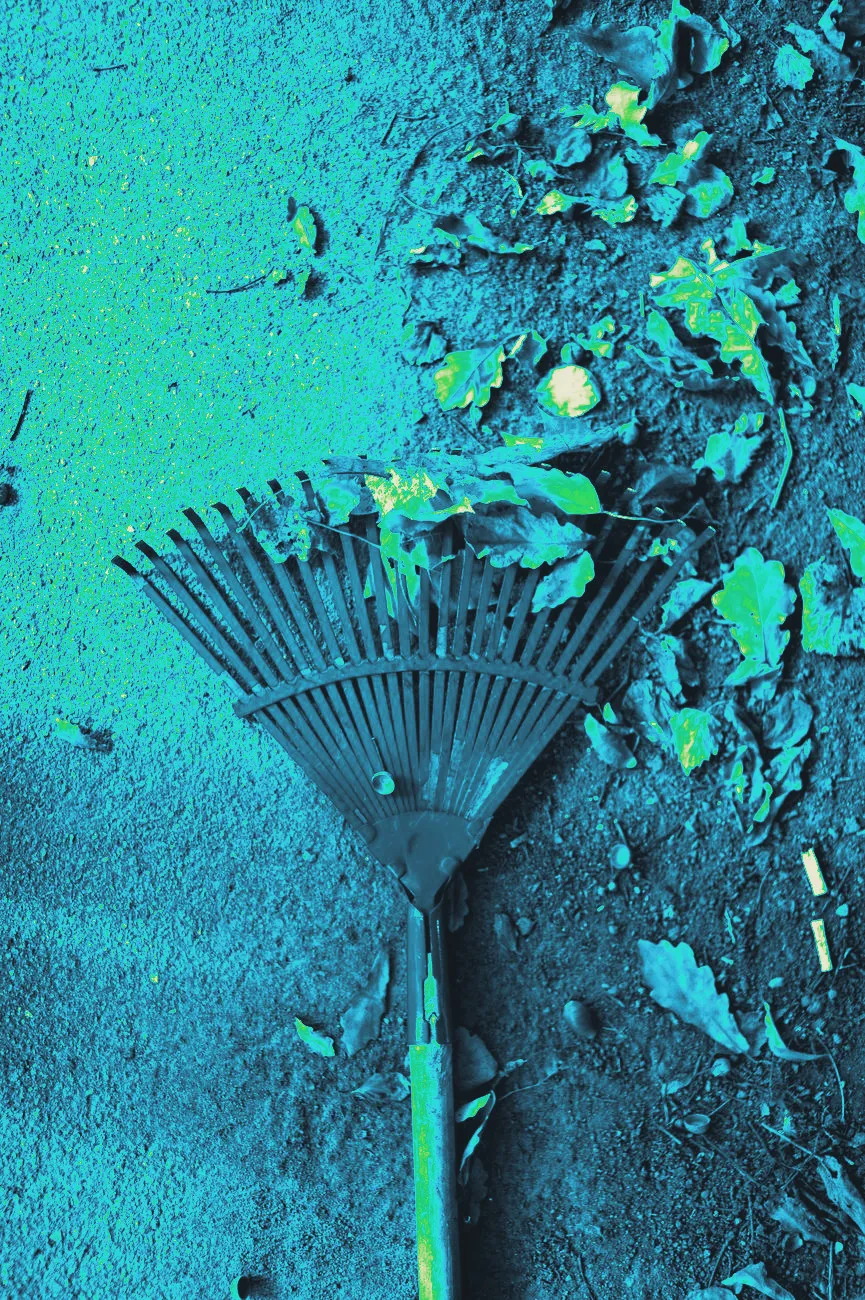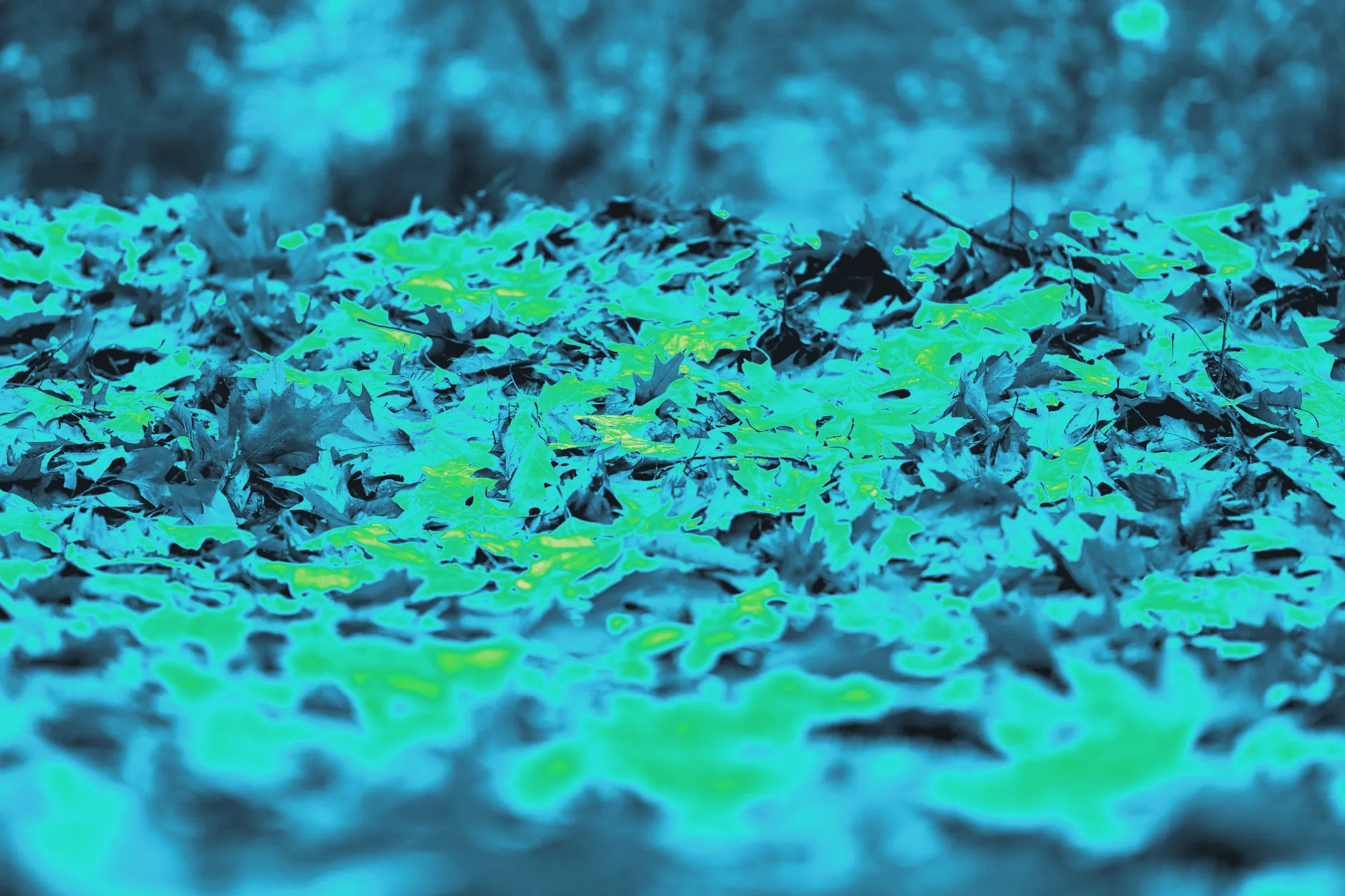
Fall leaves are the ingredient a home compost pile needs most of, by EPA’s own recipe. EPA’s guide to composting at home lists dry leaves as a “brown,” the carbon-rich half of a pile, and says to add “at least two to three times the volume of browns (such as dry leaves) to the volume of greens (such as food scraps).” Food scraps should stay “covered by four to eight inches of dry leaves or other browns.” EPA also says to keep compostable bags out of a backyard pile, which “generally do not reach high enough temperatures to fully decompose” them.
Can you compost fall leaves?
Yes, and EPA names them first. Its page Composting at Home says a pile needs three things: “carbon-rich materials (‘browns’),” “nitrogen-rich materials (‘greens’),” and water. Dry leaves top its list of browns, alongside plant stalks and twigs, shredded uncolored paper, shredded cardboard and untreated wood chips. Greens include fruit and vegetable scraps, grass clippings, coffee grounds and crushed eggshells.
EPA’s recycling page puts the alternative plainly. “Lawn materials cannot be recycled, but they can be composted,” it says, and if you can’t compost, it suggests checking whether your community runs “a yard trimming collection service.” EPA counted about 35.4 million tons of yard trimmings generated in 2018.
How many leaves does a compost pile need?
More than anything else in it. EPA’s ratio is “at least two to three times the volume of browns (such as dry leaves) to the volume of greens (such as food scraps).” It also gives a cover rule: “always ensure your food scraps are covered by four to eight inches of dry leaves or other browns.” That is why EPA suggests setting aside an outdoor spot “to store your steady supply of leaves, twigs, or other carbon-rich material,” so there are browns on hand after the trees are bare.
How do you layer leaves in a compost pile?
Bulky browns go on the bottom. EPA says to “start your pile with a four- to six-inch layer of bulky browns such as twigs and wood chips,” which “absorbs extra liquids, elevates your pile and allows air to circulate at the base.” Then “layer your greens and browns like lasagna,” and dampen the pile if needed so the mix has “the consistency of a wrung-out sponge.” EPA also suggests chopping materials into smaller pieces first so they break down faster.
When something goes wrong, EPA’s fixes lean on the same browns. A pile with “a bad odor” may be too wet, so “add more browns/dry material to the pile and turn the pile.” A pile that won’t heat up needs more greens mixed in. A well-kept backyard pile, EPA says, “can reach temperatures of 130° to 160° F.”
Can compostable bags go in a home compost pile?
Not according to EPA. Its list of things to keep out of a backyard pile includes “compostable foodservice ware and compostable bags,” with the note that “backyard composting piles generally do not reach high enough temperatures to fully decompose these materials.” EPA says they “can be composted at commercial composting facilities,” and to “check first to make sure your specific facility accepts them.” The same list names herbicide-treated plants and grass, weeds with seeds, diseased plants, pet waste and cat litter, and glossy paper. What “Compostable” on Disposable Plates Actually Means covers what the compostable label promises and where it applies.
Where this comes from
Every statement above is quoted from two EPA pages, read on October 19, 2026: Composting at Home, and How Do I Recycle Common Recyclables. This post names no bag or bin to buy. Local yard waste programs set their own rules for how leaves are collected, and your community’s own guidance decides those.
Frequently asked questions
- Can you compost fall leaves?
- Yes. EPA's guide to composting at home lists dry leaves as a carbon-rich "brown," one of the three ingredients a pile needs alongside nitrogen-rich "greens" and water. EPA also says lawn materials "cannot be recycled, but they can be composted."
- How many leaves do you need for a compost pile?
- EPA says to "add at least two to three times the volume of browns (such as dry leaves) to the volume of greens (such as food scraps)," and to keep food scraps "covered by four to eight inches of dry leaves or other browns."
- Can compostable leaf bags go in a home compost pile?
- EPA lists "compostable foodservice ware and compostable bags" among things to avoid in a backyard pile, because backyard piles "generally do not reach high enough temperatures to fully decompose these materials." It says they can be composted at commercial facilities that accept them.