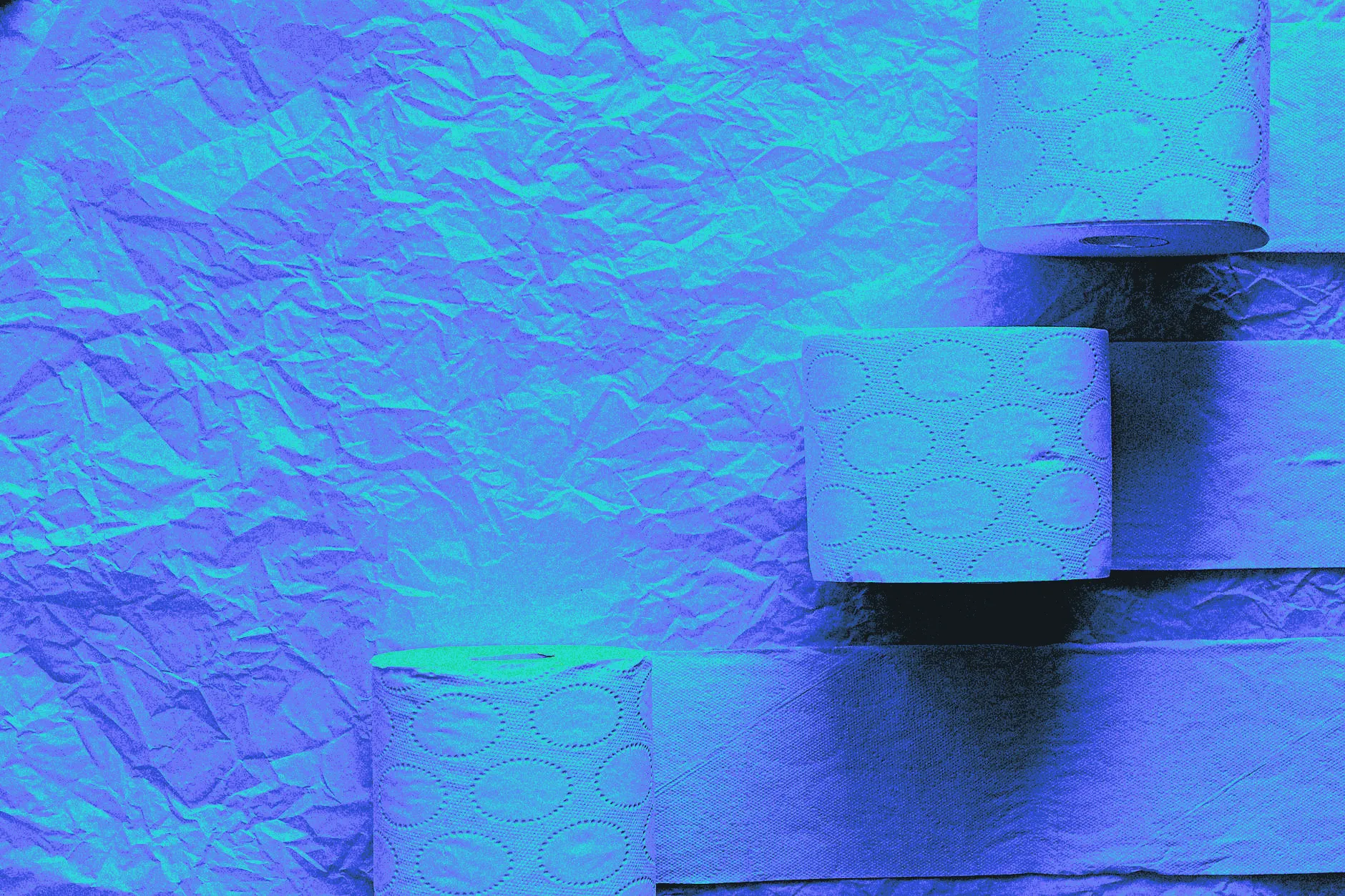
“Septic-safe” on a toilet paper package is a manufacturer’s claim that its paper breaks down after flushing. It is not a certification, and it does not mean other toilet paper fails. EPA’s own guidance for septic households is to flush nothing besides human waste and toilet paper, which already puts toilet paper on the short list of things a septic system is built to handle. The label tells you a brand tested for something. What actually protects a septic system, per EPA, is what you keep out of it.
What EPA tells septic owners to flush
EPA’s guidance for households on a septic system is short. Its page on caring for a septic system states the rule of thumb as “not to flush anything besides human waste and toilet paper.” The list of things it says never to flush includes non-flushable wipes such as baby wipes, paper towels, and household chemicals like gasoline, oil, pesticides, and paint.
The reason is the tank itself. EPA describes a septic system as containing “a collection of living organisms that digest and treat household waste.” Pouring toxins down the drain can kill those organisms. So the guidance is about keeping the wrong things out, and toilet paper is named as one of the two things that belong in.
That framing matters for reading a package. Toilet paper as a category is already inside EPA’s rules. A “septic-safe” claim is a brand saying something about its own paper on top of that.
What a manufacturer means by the claim
We read one manufacturer’s own explanation. Charmin’s FAQ states that the brand “utilizes a proprietary paper structure that helps its products holds up in use but breaks down when flushed and fully saturated.” It states it runs “a dedicated flushability lab where experts test every product before it hits the shelves for flushability as well as septic compatibility.”
So in that case the claim rests on the manufacturer’s own testing, done to the manufacturer’s own standard. That is what a septic-safe claim is. It is not a third-party mark, and no regulator defines what the words have to mean. The same FAQ adds a useful caveat in the brand’s own words: “No toilet paper can promise ‘never clog,’ because every home plumbing is different.”
What the label doesn’t tell you
A septic-safe claim says nothing about the rest of EPA’s list. The things EPA warns septic owners about are wipes, paper towels, grease, solvents, drain openers, and heavy garbage disposal use. None of those change based on which toilet paper you buy. EPA also says a typical household tank “should be inspected at least every three years” and is “typically pumped every three to five years.” A tank on that schedule, with the wrong things kept out of it, is what EPA’s guidance actually describes.
If you’re on a septic system and choosing toilet paper, the honest reading of the label is this. A brand that states a septic-safe claim has told you it tested for breakdown. A brand that doesn’t state one has told you nothing either way. Neither changes what EPA says to keep out of the tank.
How much you’ll actually go through
Whichever paper you settle on, the reorder question is the same. Our paper goods calculator turns household size and your own usage into rolls per year and a reorder interval.
Where this comes from
Every regulatory statement above is quoted from EPA’s septic system care page, linked in the text. The manufacturer statements are quoted from Charmin’s own FAQ, also linked. Runlow has not tested any toilet paper for breakdown or septic compatibility, and this post makes no claim about any brand beyond what that brand states on its own site.
Try the Paper goods calculator
Frequently asked questions
- Is "septic-safe" toilet paper a certified label?
- No. No regulator or certifying body issues a septic-safe label for toilet paper. It is a statement the manufacturer makes about its own product, and the one manufacturer FAQ we read describes its own in-house flushability testing as the basis for it.
- Does EPA say to avoid any particular toilet paper on a septic system?
- No. EPA's guidance for septic owners is to flush nothing besides human waste and toilet paper. It names wipes, paper towels, and household chemicals as things never to flush. It does not distinguish between kinds of toilet paper.
- What does EPA say actually harms a septic system?
- Flushing wipes and paper towels, pouring grease, solvents, or large volumes of toxic cleaners down a drain, and running a garbage disposal heavily. EPA also says a typical household tank should be inspected at least every three years and pumped every three to five years.