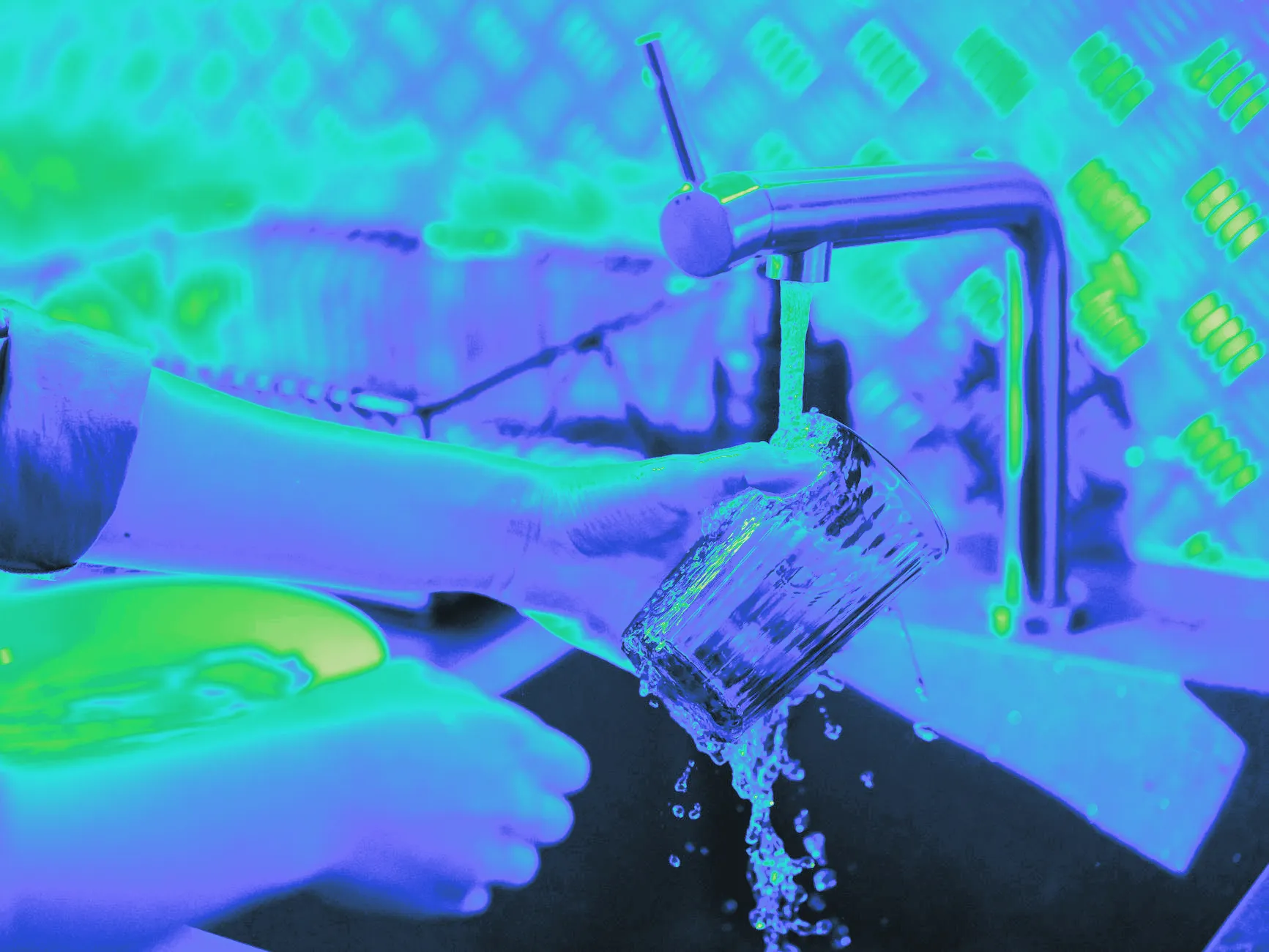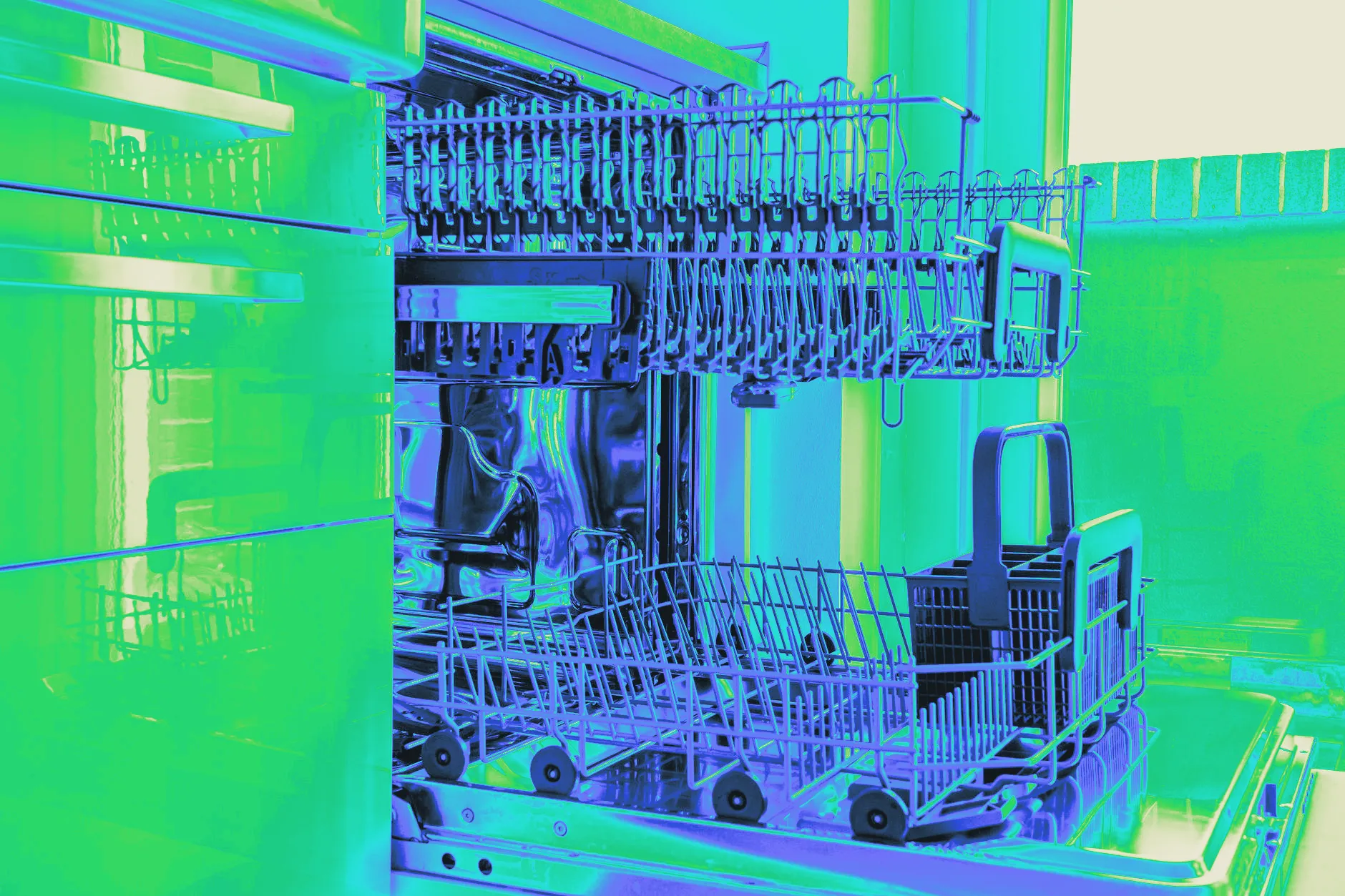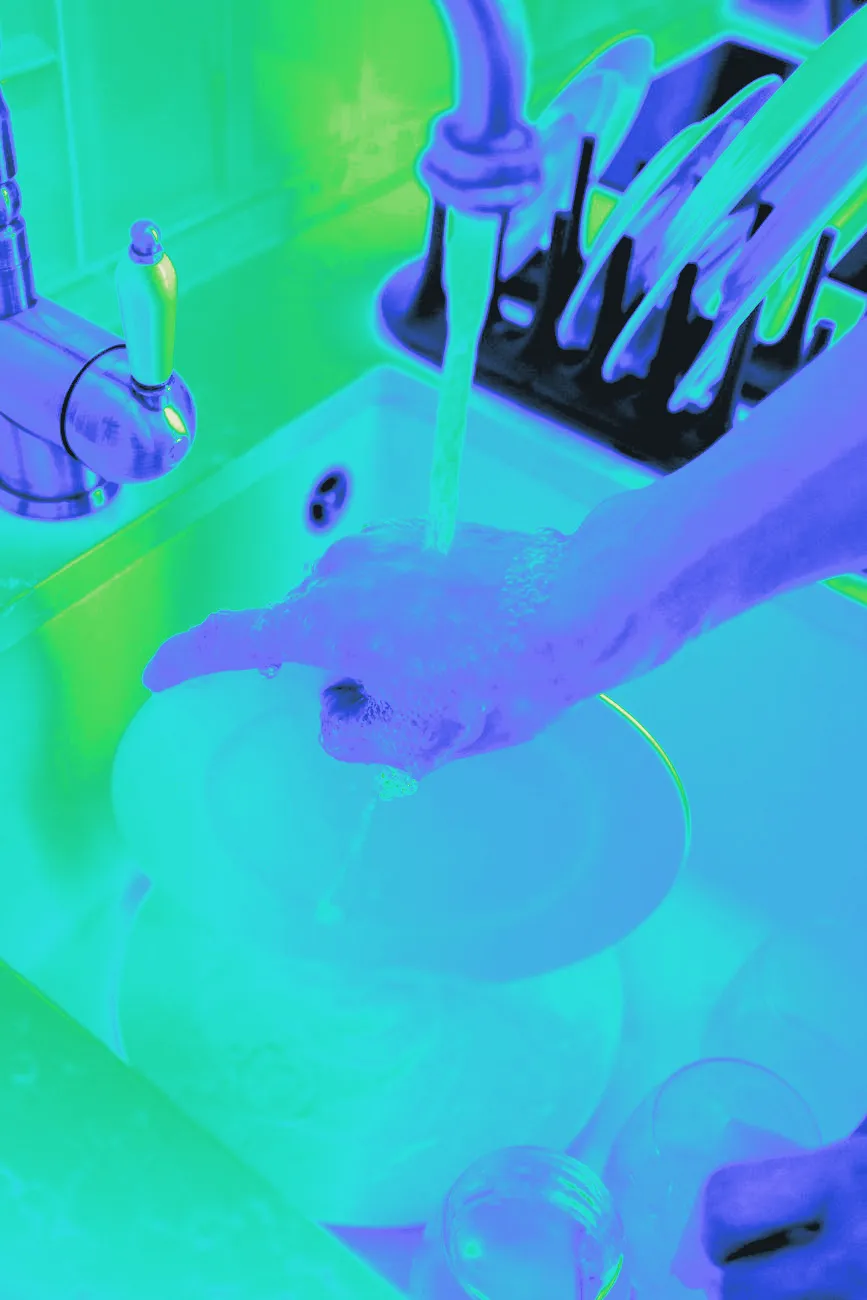
Detergent enzymes need actual soil to break down, and most modern dishwashers have a sensor that reads how dirty the water gets to decide how long and how hot to run. A load that’s been rinsed spotless gives both of those less to work with, which can shorten the cycle and end it before dishes are actually as clean as a normal load would be.
Why enzymes need something to grab onto
The enzymes in dishwasher detergent work the same way they do in laundry: they attach to a specific kind of stain molecule and break it down into pieces small enough to rinse away. That’s a chemical reaction, and like most chemical reactions, it needs the two things involved to actually come into contact. A plate rinsed clean under the tap before loading has already removed most of what the enzymes were formulated to react with, which means detergent goes into the wash with less to actually do.
What the soil sensor is measuring
Many dishwashers built in the last decade or so include an optical or conductivity sensor that reads how cloudy or dirty the wash water gets partway through a cycle, then adjusts length, temperature, and rinse count based on that reading. A heavily soiled load reads as dirty and gets a longer, hotter cycle; a lightly soiled or pre-rinsed load reads as relatively clean and gets a shorter one. That’s the sensor doing exactly what it’s designed to do. The problem is that pre-rinsing feeds it a false reading: the load looks clean to the sensor before the wash even starts, so it shortens a cycle that a normally loaded, unrinsed set of dishes would have needed.
What actually helps instead
Scraping off large scraps, bones, and stuck-on food before loading is still worth doing, since those can clog a filter or spray arm regardless of what the sensor reads. What doesn’t help, and can quietly work against you, is rinsing or scrubbing a plate until it looks fully clean before it goes in. Loading dishes with their normal amount of everyday residue and letting the detergent and sensor do the job they’re designed for tends to produce a more thorough result than a load stripped of anything for them to react to.
Try the Dishwasher pods calculator
Frequently asked questions
- So should I scrape plates before loading?
- Yes. Scraping off large food scraps and bones is still worth doing, since those can clog the filter or spray arm. The step to skip is scrubbing or rinsing a plate until it looks fully clean before it goes in.
- Does this apply to every dishwasher?
- It applies most to newer dishwashers with a soil sensor, which is most models sold in the last decade or so. An older machine without one runs a fixed cycle regardless of how dirty the load looks, so pre-rinsing mainly just wastes water on those.
- Why does the manual still say to scrape and rinse?
- Manuals are often written to cover the widest range of water hardness, detergent quality, and dishwasher age, where a cautious instruction avoids complaint calls. Scraping is genuinely worth following; treat "rinse" as optional if your machine has a soil sensor and reasonably fresh detergent.